


-

Add: HeBei ShengShi HongBang Cellulose Technology CO.,LTD.
-

Email
13180486930@163.com -

CONTACT US
+86 13180486930


Retained Hydroxypropyl Methylcellulose (HPMC) has long been a cornerstone in various industrial and pharmaceutical applications, offering versatile properties that enhance product formulations, consistency, and performance. The recent discontinuation of certain retained HPMC products has sparked concern and curiosity among businesses and consumers who relied on its unique benefits. This article delves into the implications of this discontinuation, offers alternatives, and discusses the broader impact on industries that heavily utilized these products. Retained HPMC is renowned for its exceptional ability to control moisture, serve as a thickening agent, and sustain the stability of emulsions and suspensions. Its non-toxic, inert properties have made it a popular choice in the pharmaceutical industry for coating tablets, controlling drug release , and even in topical formulations. The construction sector also values HPMC for enhancing the workability of mortar and cement products, reducing water retention, and promoting adhesive properties. The discontinuation of retained HPMC products can be attributed to several factors, including shifts in market demand, advancements in technology, and changes in regulatory standards. For instance, increasing scrutiny over synthetic additives and a growing push for more sustainable, biodegradable alternatives have influenced manufacturers to reconsider their product lines. Furthermore, innovations in biopolymers and natural thickeners are providing effective substitutes that align with contemporary consumer preferences for eco-friendly ingredients. Businesses reliant on retained HPMC must now explore alternative solutions that can offer comparable performance characteristics. One promising substitute is cellulose ethers derived from natural sources, which maintain the desirable properties of HPMC while addressing environmental concerns. These alternatives minimize ecological impact and align with the industry's movement towards more sustainable practices. Moreover, professionals working in R&D departments are tasked with reformulating products to adapt to the absence of retained HPMC. This presents an opportunity for embracing innovation, as new formulations can potentially outperform traditional ones not just in terms of efficacy, but also in meeting regulatory standards and consumer expectations. Collaborative efforts across industries may foster the rapid development and acceptance of suitable replacements, thereby maintaining product integrity and customer satisfaction. retaine hpmc discontinued For industries such as pharmaceuticals and construction, the transition away from retained HPMC products necessitates thorough testing and validation processes to ensure the quality and safety of new formulations. This requires increased investment in R&D and robust collaboration with suppliers who can provide consistent, high-quality alternative ingredients. The discontinuation also highlights the importance of future-proofing product development to anticipate market shifts and regulatory changes. Companies that invest in adaptable, innovative solutions position themselves advantageously to navigate potential disruptors, ensuring long-term resilience and competitiveness. Engaging with regulatory bodies, industry groups, and consumer feedback can offer valuable insights and guide the development of high-performing alternatives. While the phase-out of retained HPMC products may pose challenges, it also paves the way for forward-thinking companies to lead the charge in sustainable innovation. By embracing this change, industries can not only sustain their operations but also contribute to broader environmental goals and enhance their reputation as conscientious, responsible market players. In conclusion, the discontinuation of retained HPMC products necessitates a strategic pivot towards sustainable alternatives. Through embracing innovation, rigorous testing, and cross-industry collaboration, companies can effectively navigate this transition. This approach ensures that businesses remain competitive and responsive to evolving market demands and regulatory landscapes, all while contributing positively to environmental sustainability.
- 40000tons

Production
- 20+years

Experience
- 5000+㎡

Acreage

-
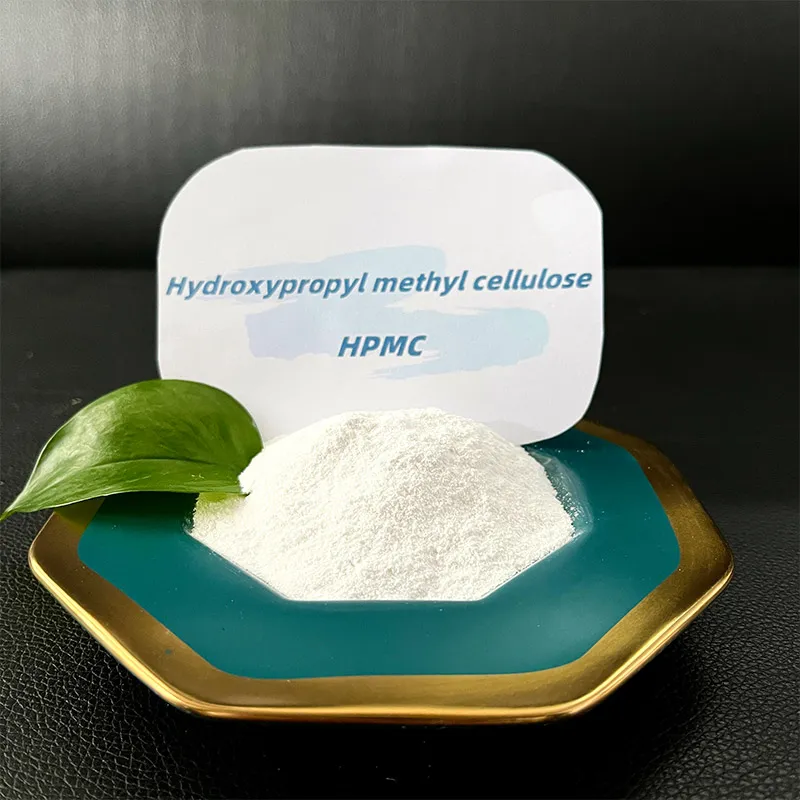
The HPMC Logo A Symbol of Innovation and Quality In today's dynamic world, a logo is more than just a collection of shapes and colors; it represents the identity and values of a brand. One such logo that encapsulates innovation and quality is the HPMC logo. HPMC, which stands for Hydroxypropyl Methylcellulose, is a material that has found its place in various industries, from pharmaceuticals to construction. The logo symbolizes not only the product but also the ethos of the company behind it. The HPMC logo is designed with careful consideration of its messaging. The choice of colors reflects both professionalism and reliability, with shades that evoke a sense of trustworthiness. Blue, often used in corporate branding, suggests stability and depth, while green resonates with health and sustainability. These colors work together to create a visual identity that appeals to both consumers and industry professionals. . The functional aspects of HPMC are also reflected in its logo. Known for its versatility, HPMC is widely used in applications such as adhesives, paints, and pharmaceuticals. The logo communicates this multi-faceted usage through its simple yet sophisticated design. The streamlined appearance suggests efficiency and performance—a nod to the product's ability to enhance formulations and provide superior results across diverse applications. hpmc logo Moreover, the HPMC logo signifies quality assurance. A well-designed logo helps to build consumer confidence, and HPMC’s branding does just that. When potential customers see the HPMC logo, they immediately associate it with high standards and consistent performance. This connection is built on years of reliable product performance and customer satisfaction. Thus, the logo acts as a promise of quality, assuring users that they are making a wise choice in selecting HPMC-based products. In addition to its visual elements, the HPMC logo embodies the brand's commitment to sustainability. In a world increasingly focused on environmental responsibility, the logo promotes the idea that HPMC products can help create sustainable solutions. The incorporation of green within the logo hints at the eco-friendly aspects of HPMC, highlighting that it is derived from naturally occurring cellulose. This reinforces the notion that consumers can choose products that are not only effective but also environmentally friendly. The HPMC logo also plays a vital role in brand recognition. In a cluttered marketplace filled with countless products, having a recognizable logo can set a brand apart from its competitors. When consumers see the HPMC logo, they know they are encountering a product with a solid reputation. This recognition is crucial, as it aids in developing brand loyalty and repeat business. A strong brand identity, as represented by the HPMC logo, is instrumental in sustaining long-term success. Moreover, the logo serves as a bridge between the company and its customers. It invites dialogue and engagement, making it easier for consumers to connect with the brand. Whether displayed on packaging, marketing materials, or promotional events, the HPMC logo fosters a sense of belonging among its users. It creates a community of like-minded individuals who value quality and innovation, further enhancing the brand’s reach. In conclusion, the HPMC logo is more than just a visual identifier; it is a powerful symbol that encapsulates the essence of the brand. It stands for innovation, quality, versatility, and sustainability. In an ever-evolving market, the HPMC logo serves as a beacon of trust and reliability, attracting consumers and businesses alike. As HPMC continues to grow and adapt to new challenges, its logo will undoubtedly remain a central part of its identity, representing a commitment to excellence and an unwavering dedication to its customers.
-
Methocel F50 is a trademarked brand of methylcellulose ether, commonly used as a thickener, emulsifier, and stabilizer in various applications, ranging from food to pharmaceuticals and industrial processes. Leveraging its unique properties, companies across sectors have found innovative ways to incorporate Methocel F50 into their products, enhancing both functionality and consumer appeal. From a professional perspective, Methocel F50 is celebrated for its versatility . As a non-toxic and hypoallergenic compound, it meets rigorous safety standards, making it suitable for a plethora of applications. In the food industry, for instance, Methocel F50 is often employed to improve texture and consistency in gluten-free products, which usually suffer from density and elasticity issues. The result is gluten-free bread and pastries that mimic the texture and appeal of their traditional counterparts, thus gaining favor among consumers adhering to gluten-free diets. In pharmaceuticals, Methocel F50 serves as an excipient—an inert substance formulated alongside the active ingredient of a medication. Its role in drug formulation is pivotal; as a controlled-release agent, it aids in the gradual release of medication, thereby enhancing efficacy and improving patient compliance. Medical professionals and pharmaceutical experts recognize Methocel F50 for these characteristics, valuing its capacity to maintain consistent performance and ensure product stability over time. In industrial applications, Methocel F50 offers exceptional performance due to its thermal gelation properties. It is often used in the production of building materials and coatings, where it acts as a thickener to control viscosity without compromising strength or durability. This characteristic not only optimizes the manufacturing process but also enhances the end product's quality, reinforcing the product's market competitiveness. methocel f50 The authority of Methocel F50 within its respective domains is well-documented through extensive research and industry validation. Companies utilizing Methocel F50 have reported significant improvements in their product's performance, backed by empirical data and continuous innovation in application techniques. Moreover, its adherence to global safety and quality standards further cements its position as a trusted ingredient across industries. Trust in Methocel F50 is further bolstered by its transparency in formulation and the traceability of its sourcing. Manufacturers are keen to provide detailed information regarding its composition, ensuring that end-users and professionals are well-informed regarding its application and safety. This open communication fosters confidence among consumers and industry experts alike, who prioritize transparency in the products they choose to use or recommend. In summary, Methocel F50 is distinguished by its unmatched versatility and reliability across multiple sectors. Its ability to adapt to diverse applications while meeting stringent safety and quality norms makes it an invaluable component in innovation. As industries continue to evolve, the expertise surrounding Methocel F50 will likely expand, introducing new possibilities and maintaining its relevance in an ever-changing market landscape.
advantages
-

200000 Viscosities
Excellent product
We can produce pure products up to 200,000 viscosities
-

40000 tons
High yield
We don’t stop production all year round, and the annual output can reach 40,000 tons
-

24 hours
Quality service
We provide 24-hours online reception service, welcome to consult at any time
———— Inquiry Form
Schedule A services


-
 nyuzinyuzi_za_xylem
Oct . 25, 2025
Polypropylene fiber is an innovative material that significantly enhances the performance characteri -
 hpmc_usp_monograph
Oct . 25, 2025
The construction industry constantly seeks materials that offer superior performance, reliability, a -
 hpmc_meaning
Oct . 25, 2025
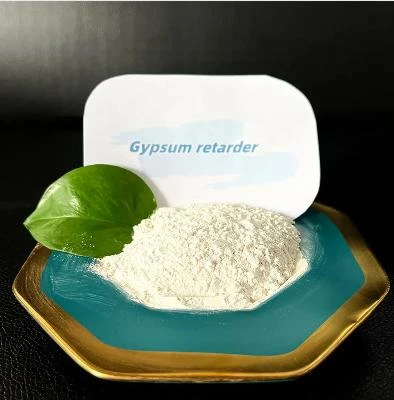
In the demanding world of construction finishes, controlling time is paramount. A plaster retarder s


